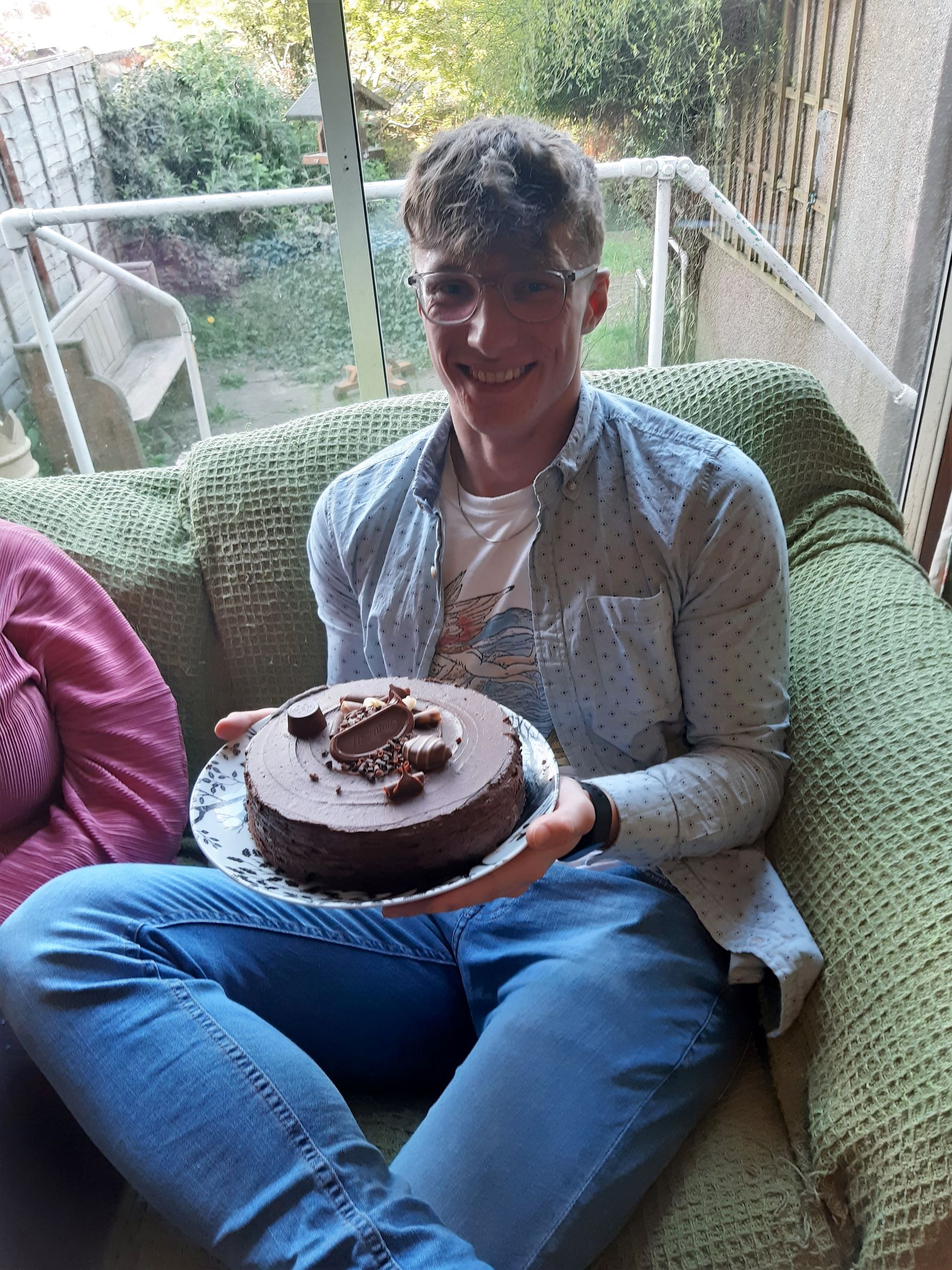
Yesterday was Son the Younger's birthday and we finally got to visit a place that had eluded us for years, which was exciting. First stop, though, the Boot Inn in Berwick St James, seven miles north-west of Salisbury for lunch.
Because my daughter Jenny and her partner Alex had been held up in traffic near Woking, the rest of us had half an hour to spare so I nipped along the road to St James Church, an ancient flint and limestone building near a chalkstream, all of which speaks far more of the South of England than the West Country.

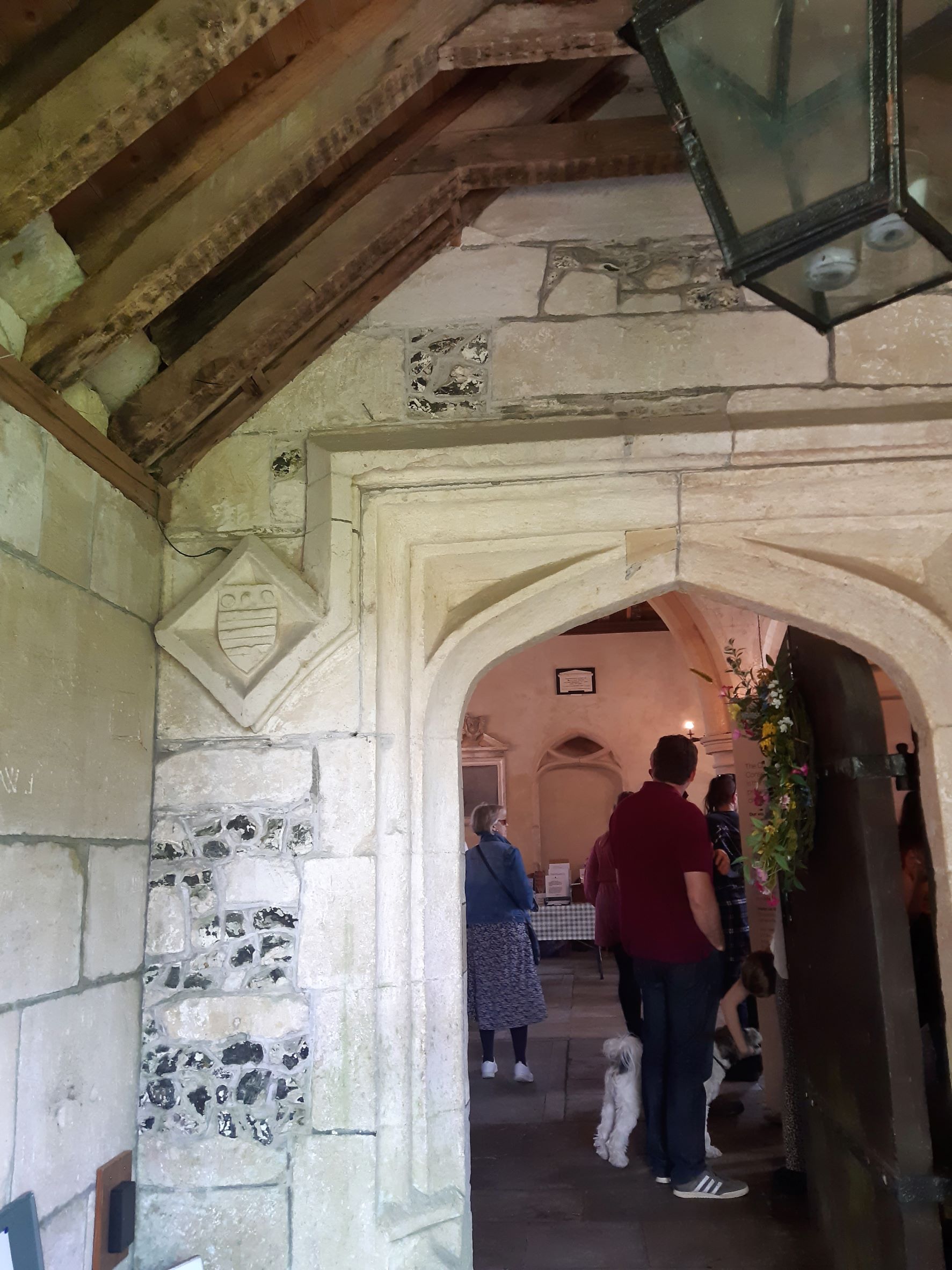
I've visited a few country churches during the pandemic but not so many that it doesn't feel like a novelty. This one has a 12th century Norman doorway ...

... a 12th century font ...

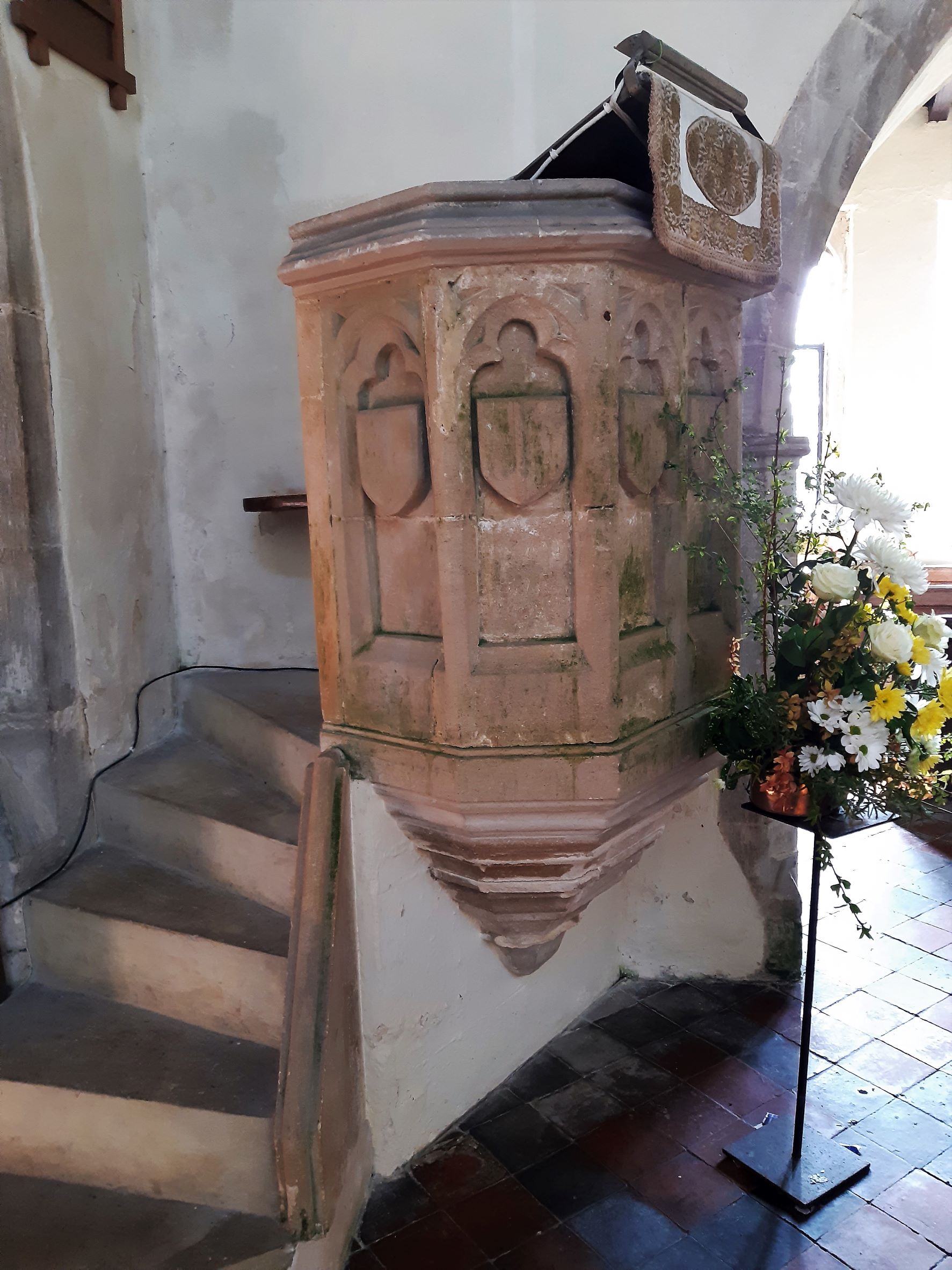
... and a 15th century stone pulpit, a rare survival from before the Reformation.


The Ukrainian flag


Graffiti


Standing stones believed to have been removed from Stonehenge in the 17th century, where they functioned as an altar stone, to be used to build a bridge
After lunch we drove on to our destination, the remote 'ghost' village of Imber.

The village gets a mention in the Domesday Book, and in fact dates back to at least 967 AD, but in 1943, its population of 150 was evicted so that it could be used as an exercise area for American troops in readiness for the invasion of Europe.


Few of the original buildings remain. Seagram's Farmhouse dates from 1880. Meanwhile, Nag's Head cottages occupy the site of one of the village pubs.
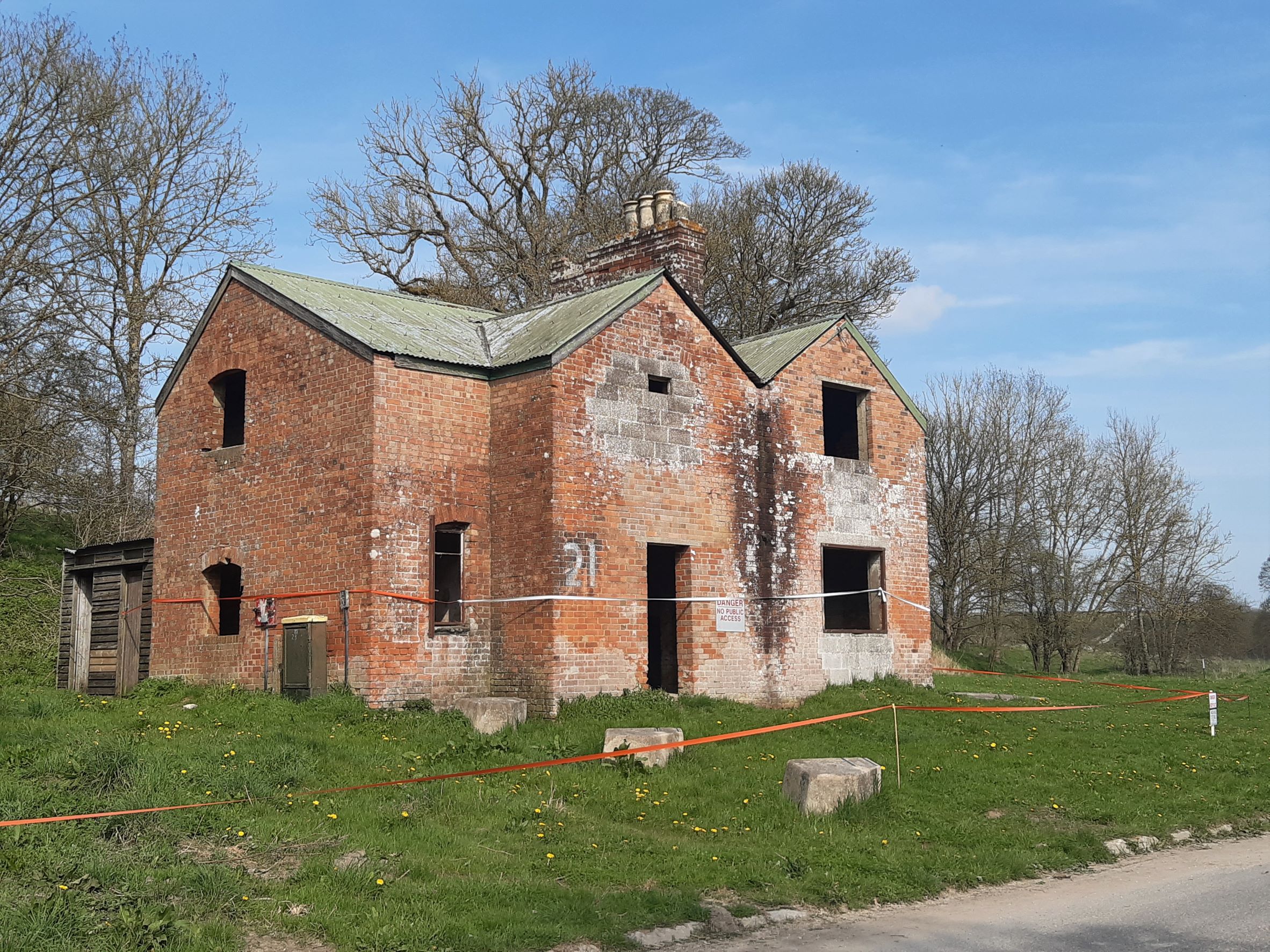
Like the cottages, most buildings here have replaced the demolished original homes, having been constructed for Urban Warfare training.

The 13th century Church of St Giles is still standing, and is open for just a few days several times a year, as is the rest of the village.

More solidarity with Ukraine
Its glory - at least from my point of view - is its mediaeval wall paintings.


Here's the Seven Deadly Sins - a bit difficult to make out, admittedly, though you can see the red devils quite clearly. Apparently it was a new addition in the late 15th century, courtesy of the lord of the manor, Sir Walter Hungerford, who'd been promoted on the battlefield of Bosworth Field in 1495 - ooh look, a link with my jaunt of two weeks ago.


A set of 17th century bell-ringing changes painted on the wall of the tower
It also doesn't disappoint when it comes to graffiti with serifs.


Also in the tower there's a mason's mark in the form of a hexafoil or daisy wheel.


Outside a modern gravestone brings home the implications of the story of Imber.

Albert Nash was the village blacksmith. It's said that the day the villagers had to leave, he was found crying over his anvil, and that he died of a broken heart. He was brought back to his beloved village to be buried.
The villagers fully expected to return after the war, as promised by the Government, but the Ministry of Defence took the land over completely. A rally was organised in 1961 to demand the villagers be allowed to move back, but a public inquiry round in favour of the military.
The villagers fully expected to return after the war, as promised by the Government, but the Ministry of Defence took the land over completely. A rally was organised in 1961 to demand the villagers be allowed to move back, but a public inquiry round in favour of the military.
Albert's wife, Martha, only returned after her death in 1967; their son, Cyril, in 1989.
An open day organiser in the Church told me the villagers were only tenants, and that they knew the land belonged to the MoD, so would have realised they wouldn't be back. I say the land belongs to those who have worked it for generations, who have its dirt under their nails and in the creases of their palms.


And another thing. With all those soldiers around, couldn't some of them rebuild the fine 17th and 18th century tomb chests that have been allowed to fall into ruin?


Home, then, for birthday cake - a rather more convivial get-together than the previous two years permitted, owing to lockdown - and a sit in the field to watch the sunset and think about how everything changes, nothing can be taken for granted.